
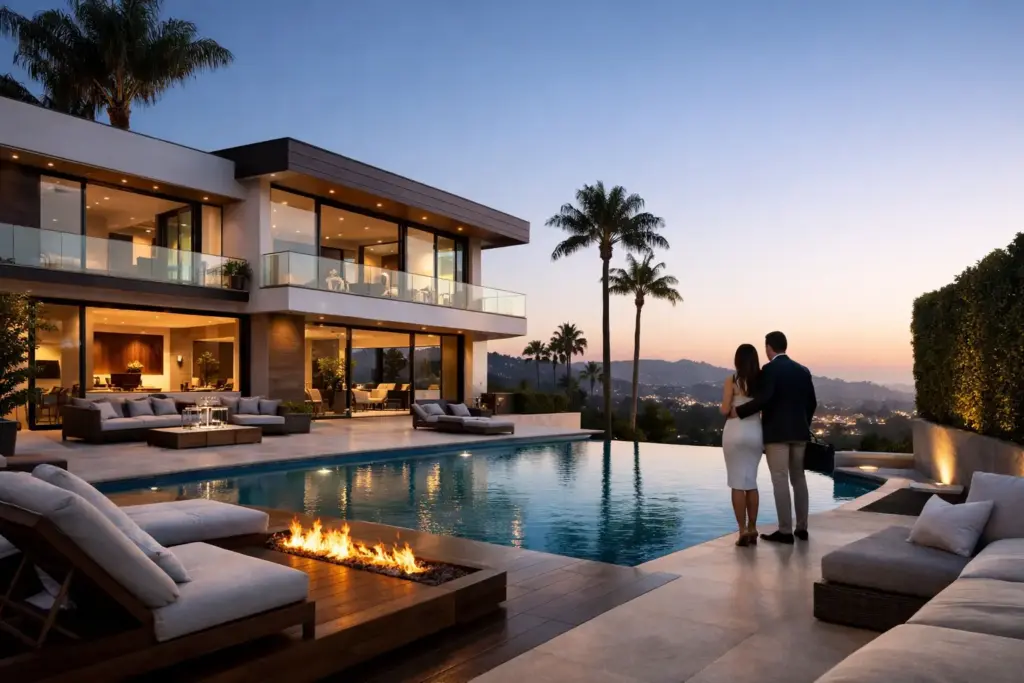


A home in Beverly Hills can impress in a single glance, but the real story is usually behind the gates, beyond the finishes, and inside the details most buyers never see. Beverly Hills luxury homes are not a one-size-fits-all category. A grand estate north of Sunset, a polished contemporary near the Flats, and a view property tucked into the hills may share a prestigious zip code, but they offer very different lifestyles, resale profiles, and long-term value.
That is why serious buyers do more than react to square footage or staging. They assess privacy, street quality, lot orientation, renovation history, land value, and how a property fits both personal goals and market reality. In Beverly Hills, those distinctions matter.
What sets Beverly Hills luxury homes apart
Beverly Hills remains one of the most recognized residential markets in the world, but name recognition alone does not explain demand. Buyers are drawn to a rare mix of prestige, central location, architectural pedigree, and lifestyle access. You are close to world-class dining, luxury retail, major business centers, top private schools, and the broader Westside, yet many streets still feel insulated and residential.
The housing stock adds another layer of appeal. Some buyers want classic traditional estates with formal motor courts and manicured grounds. Others want architectural homes with walls of glass, wellness amenities, and seamless indoor-outdoor living. In this market, both can command strong attention, but not always for the same reasons. A legacy estate may carry emotional and historical value, while a newer construction home may appeal because it minimizes immediate capital expenditure.
The trade-off is straightforward. Character homes can offer soul and scarcity, but they may come with deferred maintenance, outdated systems, or preservation limitations. Newer homes can feel turnkey, yet some buyers find that certain spec builds prioritize visual impact over warmth, craftsmanship, or lasting design.
Location inside Beverly Hills matters more than many buyers expect
One of the biggest mistakes in the luxury space is treating Beverly Hills as a single market. It is better understood as a collection of micro-locations, each with its own pricing logic and buyer profile.
The Flats
The Flats are often favored by buyers who want broader, more level lots and easier access to schools, dining, and daily errands. Streets here can feel especially established and elegant, with mature landscaping and a classic residential rhythm. For households prioritizing convenience, flatter terrain, and usable yards, this area can be particularly attractive.
Beverly Hills Post Office and the hills
Hillside properties often appeal to buyers seeking views, privacy, and a stronger sense of retreat. Some homes deliver sweeping city, canyon, or ocean-facing vistas that reshape the entire living experience. But hillside buying requires closer analysis. Driveway access, lot stability, retaining walls, emergency access, and usable outdoor space can all affect both enjoyment and future resale.
North of Sunset and trophy pockets
For many buyers, this is where Beverly Hills shifts from luxury into trophy territory. Larger lots, gated compounds, and architecturally significant residences can command exceptional pricing. Privacy tends to be a major draw, especially for public figures, international buyers, and clients who place a premium on discretion.
Price is only one part of value
In a market like this, buyers often focus first on asking price, but value is shaped by far more than the number attached to a listing. Lot size, frontage, topography, ceiling height, floor plan flow, guest accommodations, parking, and quality of construction all influence whether a home is fairly positioned.
A beautifully staged property can create urgency, but smart buyers look past presentation. Was the remodel cosmetic or comprehensive? Were plumbing, electrical, roofing, windows, and drainage addressed? Does the home have the right scale for the neighborhood, or is it overbuilt in a way that may narrow the resale audience later?
This is where a consultative approach matters. In Beverly Hills, two homes with similar bedroom counts can have dramatically different investment potential. One may be priced for emotional appeal. Another may offer stronger long-term upside because of lot quality, renovation path, or land replacement value.
Buying Beverly Hills luxury homes requires a different strategy
Luxury transactions rarely move like standard residential deals. Inventory can be limited, off-market opportunities are common, and seller expectations are often shaped by privacy concerns as much as price. Buyers who wait for every option to appear publicly can miss some of the most compelling properties.
Preparation matters. That means having proof of funds or strong financing lined up, understanding entity structure if relevant, reviewing tax and ownership considerations early, and being clear on whether the property is a primary residence, part-time home, or investment hold. The more expensive and complex the home, the less room there is for avoidable friction.
Negotiation also looks different at this level. It is not always about pushing for the deepest discount. Sometimes the better outcome comes from structuring terms that solve a seller’s priorities, tightening timelines, limiting uncertainty, or identifying issues before they become leverage points. Buyers who understand that dynamic are often better positioned than those who focus only on headline price.
What sophisticated buyers check before they commit
The visual experience of a luxury home can be powerful, but due diligence should be equally rigorous. This is especially true in Beverly Hills, where many homes have been expanded, remodeled, or custom built over time.
Permits and plans deserve close attention. So do grading issues, property lines, title matters, easements, and any history of unpermitted work. On larger estates, buyers should also examine security systems, smart home infrastructure, pool equipment, drainage performance, and ongoing maintenance demands. A home can appear turnkey while still carrying meaningful ownership costs.
For investors and second-home buyers, leasing potential may also matter, even if it is not the immediate plan. Some homes are highly desirable for executive rentals or longer-term luxury leasing. Others are so personalized that they appeal to a narrower pool. It depends on design, layout, location, and privacy profile.
The emotional side of the decision is real
Even highly analytical buyers make emotional decisions in Beverly Hills. That is not a flaw. A home at this level is often part residence, part identity, part long-term asset. The key is making sure emotion is supported by sound judgment.
A breathtaking view may justify compromises for one buyer and feel impractical to another. A historic estate may be worth the upkeep if legacy and architecture are the goal. A newer contemporary may be the right fit for a client who values efficiency, security, and immediate livability. The best purchase is rarely the one that checks every theoretical box. It is the one that aligns with how the buyer actually intends to live and what they want the property to do over time.
Why local representation matters in this market
Luxury real estate rewards access, experience, and discretion. Beverly Hills is not a market where broad assumptions work well. Street-by-street knowledge can influence pricing strategy, negotiation posture, and whether a property is likely to outperform or sit.
For relocating clients, foreign buyers, and investors, the learning curve is steeper. California disclosure practices, escrow timelines, ownership entities, tax planning considerations, and local vendor coordination all require careful handling. Guidance should go beyond opening doors. It should help clients evaluate risk, timing, market positioning, and next-step opportunities with clarity.
That is where representation becomes more than transactional. Jodi Ticknor brings the kind of local market fluency, legal perspective, and high-touch advocacy that luxury buyers often need when the stakes are high and the margin for error is small.
Beverly Hills luxury homes are still a market of choices
For all the glamour associated with Beverly Hills, the smartest purchases are usually grounded in discipline. Buyers do well when they separate status from substance, look closely at micro-location, and understand what truly drives value in a specific property.
Some homes are worth stretching for. Some are worth passing on, even when they photograph beautifully. And some of the best opportunities are the ones that make immediate sense not because they are flashy, but because they are well located, well built, and well aligned with a buyer’s long-term goals.
If you are considering Beverly Hills, take the time to buy with clarity. The right home should feel exceptional on day one, but it should also make sense years from now.